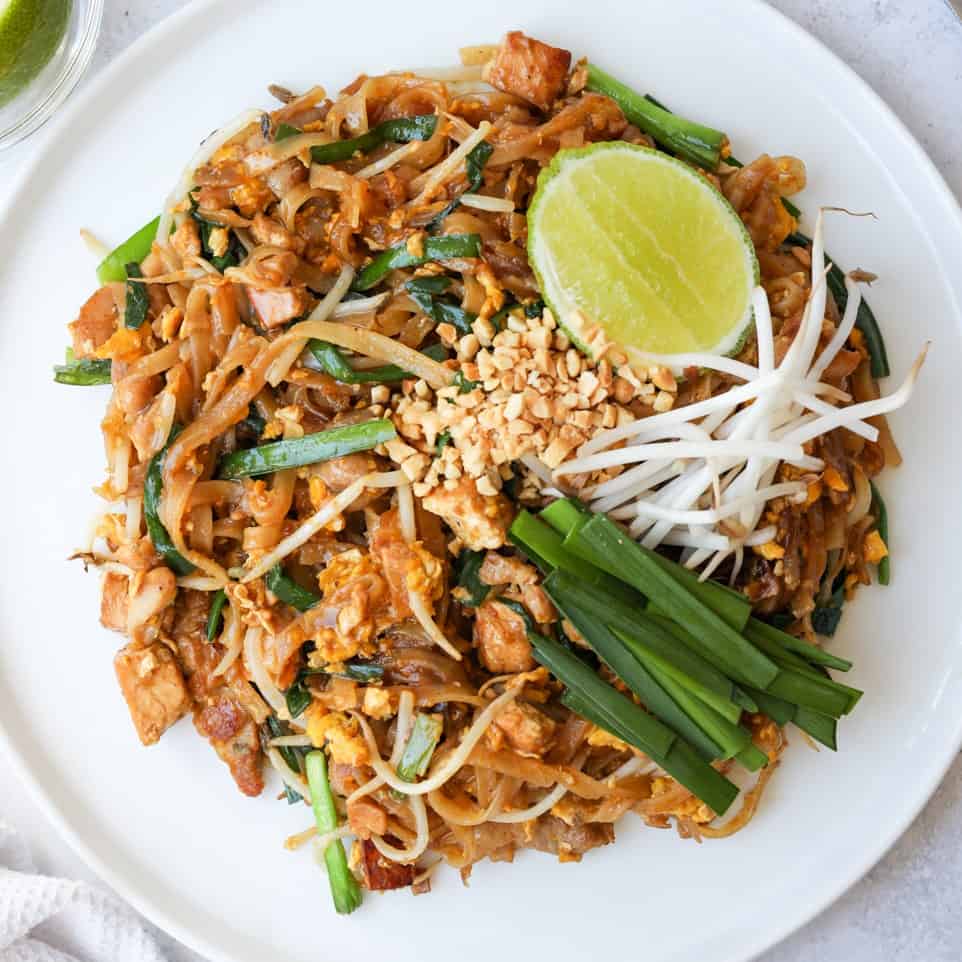
Quick & Easy Chicken Pad Thai: Your New Weeknight Dinner Hero
In the whirlwind of busy weeknights, finding a meal that's both exhilaratingly flavorful and incredibly simple to prepare often feels like a culinary holy grail. Enter
Chicken Pad Thai – a dish that effortlessly marries speed, ease, and an explosion of tantalizing Thai flavors right in your own kitchen. Forget the takeout menus; this vibrant stir-fry is poised to become your go-to solution for a satisfying, crowd-pleasing dinner that truly delivers.
Many of us remember that pivotal moment when we first discovered the magic of Pad Thai – perhaps during a college student's experimental cooking phase with fridge leftovers, or an adventurous dive into ethnic cuisine. This initial encounter often blossoms into a lifelong love affair, transforming an unexpected culinary journey into a cherished recipe. The allure of
Chicken Pad Thai lies in its ability to produce something truly enjoyable and robust out of seemingly simple components, proving that exquisite taste doesn't have to come with a hefty price tag or a complex cooking process. It’s an accessible, delicious, and universally adored dish that guarantees excellent results every single time, whether you're nourishing yourself after a long day or impressing guests.
What Makes Chicken Pad Thai So Irresistibly Special?
At its heart,
Chicken Pad Thai is a celebration of balance – a cornerstone of Thai cuisine. It’s a classic stir-fry renowned for its delicate interplay of sweet, sour, salty, and savory notes, creating a flavor profile that is utterly addictive. This isn't just about combining ingredients; it's about crafting an experience that awakens every corner of your palate.
Let's break down the components that contribute to its unique charm:
- Tender Chicken: Juicy pieces of chicken (often thigh for maximum flavor, but breast works perfectly too) provide a satisfying protein base, absorbing the rich sauce beautifully.
- Chewy Rice Noodles: The foundation of the dish, these flat rice noodles offer a delightful texture that perfectly soaks up the complex sauce.
- Vibrant Vegetables: Crunchy bean sprouts and fresh green onions add essential texture and a hint of freshness, cutting through the richness.
- Fluffy Eggs: Scrambled eggs are seamlessly incorporated, adding richness and another layer of texture to the stir-fry.
- Signature Sauce: The true soul of Pad Thai, this sauce is a masterful blend of tamarind, fish sauce, and palm sugar, delivering that iconic sweet, sour, and tangy punch.
- Finishing Touches: A generous sprinkle of crushed peanuts provides a delightful crunch, while a squeeze of fresh lime juice brightens the entire dish, and a dash of chili flakes (optional) adds a gentle warmth.
This combination isn't just a list of ingredients; it's a symphony of textures and tastes that transforms familiar elements into a bold, vibrant, and incredibly satisfying meal. It’s the very essence of street-food flavor, brought directly into the comfort of your home.
Mastering the Heart of the Dish: The Perfect Pad Thai Sauce
The secret to an authentic and truly delicious
Chicken Pad Thai lies undeniably in its sauce. This isn't just a simple dressing; it's a carefully balanced concoction that provides the dish's signature character. Achieving the right balance of sweet, sour, and savory is paramount, and it all starts with three key ingredients:
- Tamarind Paste: This is non-negotiable for that authentic tangy-sweet sourness that defines Pad Thai. Tamarind offers a deep, fruity acidity that is far more complex than plain lime juice or vinegar. Look for concentrated tamarind paste in Asian markets; it's a game-changer.
- Fish Sauce: The umami powerhouse! Fish sauce adds a profound savory depth and saltiness that elevates all the other flavors. Don't be intimidated by its pungent aroma straight from the bottle; once cooked, it transforms into a rich, nutty, and savory base.
- Palm Sugar: Unlike granulated white sugar, palm sugar offers a more nuanced, caramel-like sweetness. It melts beautifully and contributes to the sauce's glossy texture and rich flavor profile, perfectly balancing the acidity of the tamarind and the saltiness of the fish sauce. If you can't find palm sugar, light brown sugar can be a decent substitute, but palm sugar truly offers the best result.
A well-crafted Pad Thai sauce should be pre-mixed before it hits the wok. This ensures all the flavors are perfectly melded and ready to coat your noodles and chicken evenly. The exact ratios can vary slightly based on personal preference and the intensity of your ingredients, but a good starting point often leans towards equal parts tamarind, fish sauce, and palm sugar, adjusted with a splash of water to achieve the desired consistency. This meticulous balance is what transforms a simple stir-fry into a truly exceptional
authentic Chicken Pad Thai experience.
Your Guide to a Restaurant-Quality Homemade Chicken Pad Thai
Bringing the authentic Thai street food experience into your kitchen is more achievable than you might think. With a few pro tips, you can elevate your
homemade Chicken Pad Thai to rival your favorite restaurant's offering, making it not only cheaper but often even more delicious.
Here’s how to nail it:
- Prepare Everything Ahead (Mise en Place): Stir-frying is fast! Have all your ingredients chopped, measured, and ready by the stove before you even turn on the heat. This includes your chicken, noodles, vegetables, and especially your pre-mixed sauce.
- Perfecting the Noodles: The key is "al dente." Rice noodles should be soaked in hot water, not boiled, until pliable but still firm. They will finish cooking in the wok. Overcooked, mushy noodles are the bane of any Pad Thai. Check the package instructions carefully, but generally, 15-20 minutes in hot (not boiling) water works well.
- High Heat is Your Friend: A wok or a large, heavy-bottomed skillet heated to a very high temperature is crucial for achieving that characteristic stir-fried flavor and texture. Don't overcrowd the pan; cook in batches if necessary to prevent steaming instead of searing.
- Cook in Stages:
- First, cook the chicken until almost done and set aside.
- Next, scramble the eggs in the hot pan, push them to the side, or remove them briefly.
- Add aromatics like garlic or shallots (if using), then the firmest vegetables (like tofu if adding), followed by the soaked noodles and sauce.
- Finally, reintroduce the chicken and stir in the more delicate vegetables like bean sprouts and green onions right at the very end, cooking only until they are just tender-crisp.
- Don't Forget the Garnish: The finishing touches are not optional! Fresh lime wedges for squeezing, crushed roasted peanuts for crunch and nutty flavor, and a sprinkle of chili flakes for an optional kick are essential for completing the Pad Thai experience. Fresh cilantro also adds a lovely aromatic touch.
- Chicken Choice: While chicken breasts are common, juicy chicken thighs often yield a more flavorful and tender result, less prone to drying out during the high-heat stir-fry process.
By following these practical tips, you’re not just making a meal; you’re crafting a culinary experience that is both authentic and incredibly satisfying.
Beyond the Basics: Customizing Your Chicken Pad Thai
While the classic
Chicken Pad Thai is a masterpiece in itself, one of its greatest strengths is its versatility. Once you've mastered the basic technique and the sauce, feel free to experiment and make it your own!
*
Protein Power-Ups: Not a fan of chicken? Swap it out for shrimp, thinly sliced beef, or even a mix of proteins. For a fantastic vegetarian option, crispy fried tofu (a common addition in authentic Thai versions) works wonderfully, soaking up the sauce like a sponge.
*
Veggie Variety: While bean sprouts and green onions are traditional, don't hesitate to add other quick-cooking vegetables. Thinly sliced carrots, bell peppers, or even mushrooms can add extra flavor, nutrition, and color. Just remember to add them at the appropriate stage so they don't become mushy.
*
Spice It Up (or Down): Adjust the heat level to your preference. Thai chili flakes are traditionally served on the side, allowing each diner to customize their spice. You can also add a pinch of sriracha or finely diced bird's eye chilies to the sauce for an integrated heat.
*
Nutty Alternatives: If you have a peanut allergy, toasted sesame seeds or even cashews can offer a similar crunch and nutty flavor, or you can simply omit them.
It's a fun fact that many Thais, despite their love for Pad Thai, rarely make it at home, preferring instead to visit their favorite street food vendors. This makes your endeavor to create it in your own kitchen even more special – you’re accomplishing something most Thais never do! This dish truly empowers the home cook to recreate beloved street food flavors with confidence and flair.
Conclusion
Chicken Pad Thai is more than just a recipe; it’s a vibrant, quick, and immensely satisfying culinary journey that brings the bustling energy of Thai street food right to your dinner table. From its harmonious blend of sweet, sour, and savory flavors to its delightful textural contrasts, it's a dish that promises to impress without demanding hours of your time. Embrace the ease, savor the authentic tastes, and make this weeknight dinner hero a staple in your rotation. Your taste buds (and your busy schedule) will thank you.