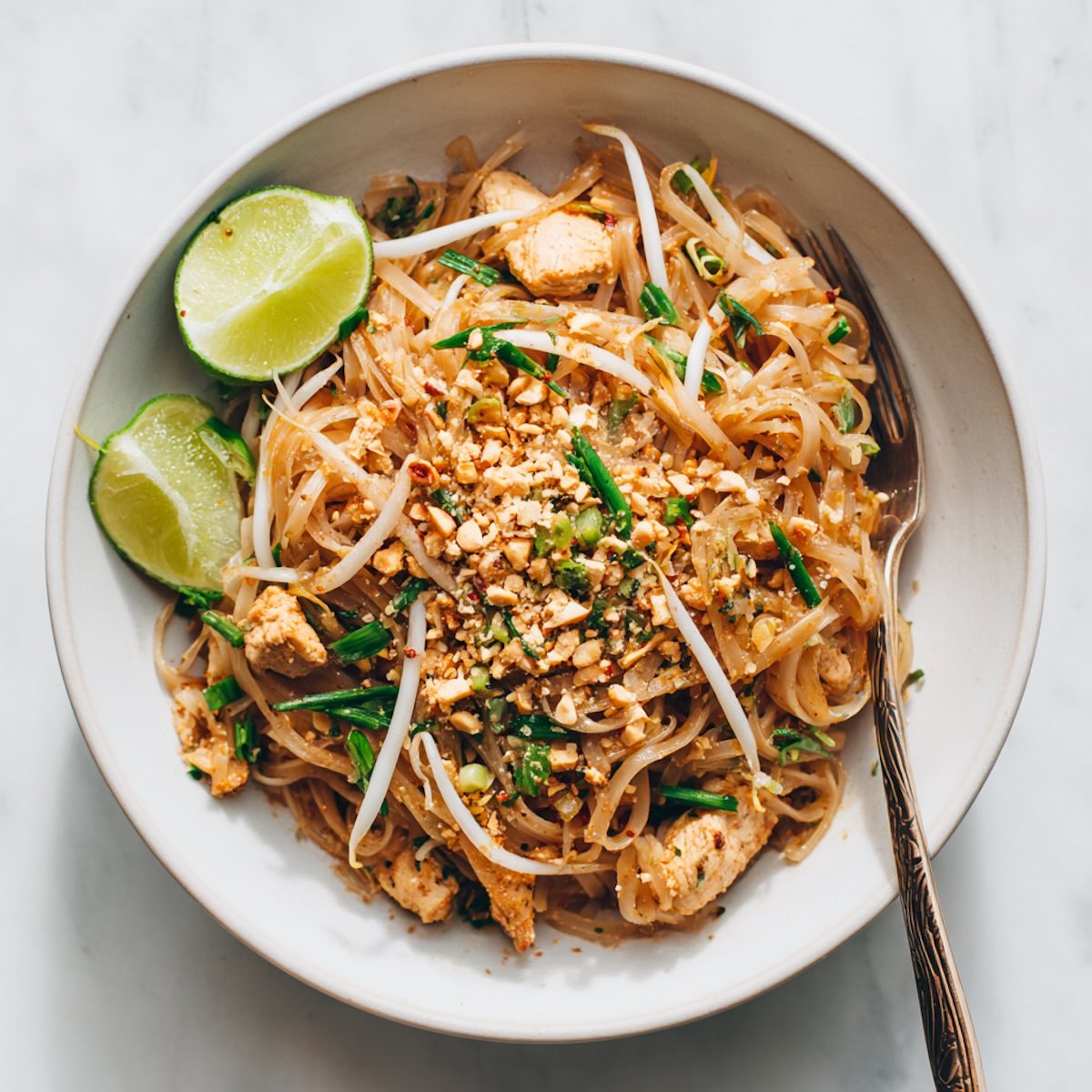
Homemade Chicken Pad Thai: Cheaper, Easier, & Better Than Takeout
Imagine a dish that’s a symphony of flavors – tangy, sweet, salty, and a little bit spicy – all woven together with tender chicken and chewy rice noodles. That's the magic of
chicken pad thai. For many, it's a beloved takeout staple, a Friday night treat that reliably satisfies cravings. But what if we told you that the best
chicken pad thai isn't found in a cardboard box from your local Thai restaurant, but rather in your very own kitchen? Making this classic Thai stir-fry at home isn't just a culinary adventure; it's a revelation that proves to be cheaper, easier, and undeniably better than any takeout version you’ve ever enjoyed.
The allure of
chicken pad thai lies in its vibrant flavors and satisfying textures. It's a dish that, once mastered at home, becomes a true weeknight hero. The journey to discovering homemade
chicken pad thai often begins, much like many great culinary discoveries, with a bit of experimentation. Picture a college student, exploring quick and delicious meals, stumbling upon the perfect blend of ingredients that transforms into an accessible, delicious, and sure-to-please dish. This sense of accidental discovery and the thrill of producing something enjoyable out of simplicity is at the heart of why making
chicken pad thai at home is so rewarding. It’s an exceptional dish that brings robust, ethnic flavors right into your kitchen with excellent results every single time.
Why Homemade Chicken Pad Thai Reigns Supreme Over Takeout
There are compelling reasons why investing a little time in your kitchen to create homemade
chicken pad thai will far surpass the convenience of ordering in.
- Unbeatable Cost-Effectiveness: Think about the typical price of a single takeout order of chicken pad thai. Now, consider that for roughly the same cost, you can purchase ingredients to make multiple servings at home. With rice noodles, chicken, eggs, and a few essential sauce components, you're looking at a significantly lower per-serving cost. Plus, you control the portion sizes, often leading to delicious leftovers for lunch the next day, maximizing your value.
- Complete Control Over Ingredients and Freshness: When you cook at home, you dictate the quality of every single ingredient. You choose fresh, tender chicken (thighs for succulence, breasts for leaner options), crisp bean sprouts, and vibrant green onions. You can select your preferred brand of fish sauce, ensure your tamarind paste is fresh, and even opt for organic produce. This level of control extends to dietary needs and preferences – less oil, reduced sugar, gluten-free noodles, or extra vegetables are all within your power. No more wondering what exactly went into your meal; you know every component is fresh and exactly to your liking.
- Tailored Flavor Profile & Culinary Satisfaction: The true magic of homemade chicken pad thai is the ability to customize its iconic flavor balance. Is your ideal pad thai a little tangier? Add more lime or tamarind. Do you prefer a sweeter note? Adjust the palm sugar. Craving more heat? Sprinkle in extra Thai chili flakes. This personal touch is something takeout simply cannot offer. The deep satisfaction of creating this complex, aromatic dish from scratch, perfecting its acidic, salty, and sweet notes to your exact preference, is an unparalleled joy. It’s the thrill of taking an authentic street food experience and elevating it to a truly bespoke meal in your own kitchen.
Deconstructing the Magic: Key Components of Authentic Chicken Pad Thai
To truly appreciate and master homemade
chicken pad thai, it's essential to understand its core building blocks. Each component plays a vital role in creating that signature flavor and texture profile.
- The Noodles: The Foundation
The traditional choice for chicken pad thai is flat rice noodles, often labeled "sen lek." Their chewy texture is crucial. The secret to perfect noodles lies in their preparation: they should be soaked, not boiled, until pliable but still slightly firm. Overcooked noodles turn mushy, losing their characteristic chewiness and ability to absorb the sauce. A good rule of thumb is to soak them in warm water for about 20-30 minutes, or until they are flexible but not completely soft.
- The Protein: Tender & Flavorful
While chicken pad thai naturally features chicken, you have choices here. Juicy chicken thighs are often preferred for their rich flavor and tendency to remain tender even when stir-fried. Chicken breasts are a leaner alternative. Beyond chicken, traditional pad thai often includes shrimp or crispy Thai fried tofu, adding diverse textures and flavors. Many home cooks even add a combination! Briefly marinating your chicken in a touch of fish sauce and a pinch of sugar can elevate its flavor and ensure it stays wonderfully tender.
- The Sauce: The Heartbeat of Pad Thai
This is where the soul of chicken pad thai truly lies – the perfect balance of sweet, sour, and savory. The key players are:
- Tamarind Paste: Provides the essential tangy, sour notes that define pad thai. It’s what gives the dish its unique brightness.
- Fish Sauce: Delivers deep umami and salinity, a non-negotiable ingredient for authentic Thai flavor.
- Palm Sugar: Offers a unique caramel-like sweetness that perfectly balances the acidity of the tamarind and the saltiness of the fish sauce. Granulated sugar can be substituted, but palm sugar lends a richer depth.
A dash of water, perhaps some sriracha or chili paste for heat, often completes the sauce. The secret is to taste and adjust until you achieve that harmonious blend that makes your taste buds sing. For an even deeper dive into achieving these Authentic Chicken Pad Thai: Make Street Food Flavors at Home, pay close attention to this sauce balance.
- The Supporting Cast: Texture and Freshness
Eggs are stir-fried directly into the dish, adding richness and substance. Crunchy vegetables like bean sprouts and green onions provide essential texture and freshness. When it comes to garnishes, crushed peanuts offer a satisfying crunch, a lime wedge brightens everything with a final squeeze of citrus, and Thai chili flakes allow for customizable heat. These elements are not just decorative; they are integral to the full pad thai experience. It's a fun fact that most Thais actually prefer to get their Pad Thai from their favorite street vendor rather than making it at home, so by cooking it yourself, you’re engaging in a unique culinary experience that even many locals don't undertake!
Your Step-by-Step Guide to a Perfect Homemade Chicken Pad Thai
Creating restaurant-quality
chicken pad thai at home is surprisingly straightforward, especially when you follow a few simple steps. The key to its "easy" factor truly lies in preparation.
- Master the Mise en Place: Before you even turn on the stove, get everything ready. This means chopping your chicken, mincing garlic and shallots (if using), mixing your pad thai sauce in a separate bowl, and most importantly, ensuring your rice noodles are perfectly soaked and drained. Stir-frying is a rapid process, and you won't have time to chop or measure once the heat is on. This preparation is what makes this a Quick & Easy Chicken Pad Thai: Your New Weeknight Dinner Hero.
- The Stir-Frying Sequence:
- Heat a wok or large skillet over high heat. Add a neutral oil.
- Add your chicken and stir-fry until cooked through and lightly browned. Push the chicken to one side of the pan.
- Pour a whisked egg into the empty side, scramble quickly, then break it up and mix with the chicken.
- Add soaked noodles, garlic, and shallots (if using) to the pan. Toss quickly to combine.
- Pour your prepared pad thai sauce over the noodles and chicken. Stir vigorously, ensuring the noodles are evenly coated and absorbing the flavors. This is the stage where the magic truly happens, as the sauce caramelizes slightly and clings to the noodles.
- Finally, add your bean sprouts and green onions. Toss for just another minute until they are slightly softened but still retain their crunch.
The entire stir-frying process should be quick – think minutes, not long drawn-out cooking. This rapid cooking over high heat is crucial for developing those characteristic "wok hei" flavors, that smoky, slightly charred taste often associated with authentic street food. If your pan is too crowded, consider cooking in two batches to maintain high heat.
- The Finishing Touches: Plate your hot chicken pad thai immediately. Garnish generously with crushed peanuts, a wedge of fresh lime, and a sprinkle of chili flakes if desired. The lime is not just a garnish; its fresh acidity brightens the entire dish, cutting through the richness and tying all the flavors together. Serve instantly to enjoy the optimal texture of the noodles and the crispness of the vegetables.
Troubleshooting & Tips for Pad Thai Perfection
Even the most experienced home cooks can benefit from a few pointers to elevate their
chicken pad thai:
- Noodles Too Sticky or Mushy? This is the most common pitfall. It often means your noodles were over-soaked or overcooked during the stir-fry. Aim for pliable but still firm after soaking, and ensure your stir-frying is quick. A splash of water or broth during stir-frying can also help separate sticky noodles if they start to clump.
- Flavor Imbalance?
- Too Salty: Add a pinch of sugar or a squeeze of lime to balance.
- Too Sweet: More fish sauce or tamarind paste, or a dash of vinegar/lime juice.
- Too Tangy: A bit more palm sugar can help.
Always taste your sauce before adding it to the pan, and don't be afraid to adjust it during the cooking process.
- Lacking "Wok Hei"? This elusive smoky flavor comes from very high heat and not overcrowding your pan. Ensure your wok or skillet is screaming hot before adding ingredients, and don't stir constantly for the first few seconds to allow some caramelization.
- Meal Prep Savvy: The pad thai sauce can be made ahead of time and stored in the refrigerator for several days. This makes weeknight cooking even faster. You can also prep your vegetables and chicken in advance. While cooked noodles are best fresh, they can be stored for a day or two and reheated gently.
There’s an immense satisfaction in recreating a beloved dish in your own kitchen, especially one as universally adored as
chicken pad thai. From the moment you soak your noodles to the final squeeze of lime, you're not just cooking a meal; you're crafting an experience. By taking the reins from your favorite takeout spot, you unlock a world of flavor customization, cost savings, and the sheer joy of a fresh, hot, and perfectly balanced meal. So, ditch the delivery menu and embrace the adventure. Your homemade
chicken pad thai journey starts now – get ready to impress yourself and everyone at your table with a dish that is truly cheaper, easier, and undeniably better than takeout. Enjoy every delicious bite!